Shopping cart
✕
Shopping cart
✕
 Your cart is empty


Book Appointment
Book an Appointment at Elite Pet
we will contact you to schedule an appointment

Are Cats Lactose Intolerant? The Truth Behind the Saucer of Milk
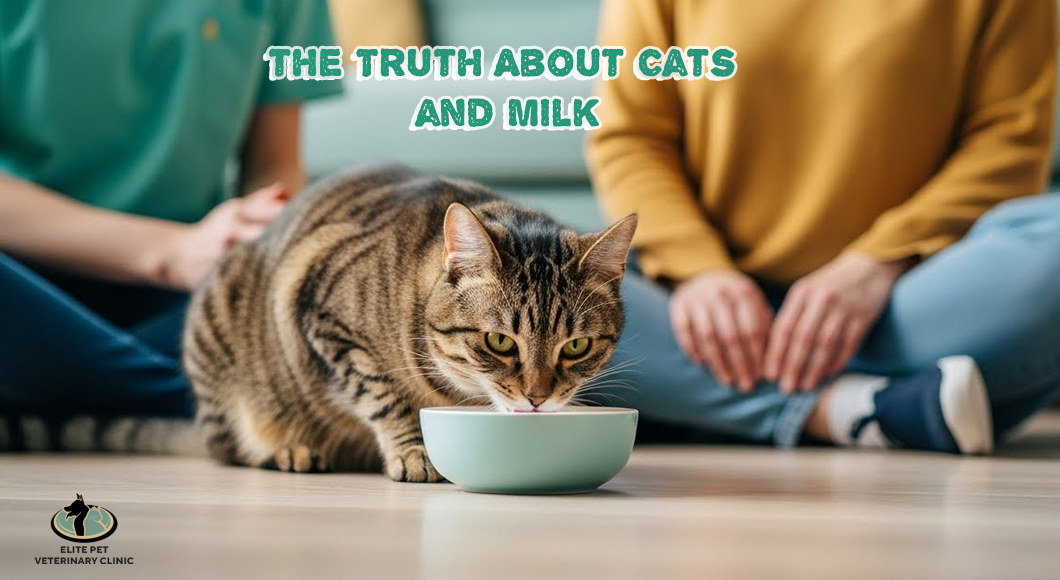
As a veterinarian, I often notice a gap between the classic images we grow up seeing and the biological reality of the cats I examine every day. We have all seen illustrations of a happy kitten drinking from a saucer of milk. In real life, however, that image often ends with a phone call to the clinic about diarrhea, stomach discomfort, hiding behavior, or a very unpleasant litter box.
One of the most common questions I hear during routine checkups is: Are cats lactose intolerant?
The answer is extremely important for any owner who wants to keep their cat comfortable and healthy.
Symptoms of Lactose Intolerance in Cats
If you have given your cat milk before and noticed a change in their behavior, lactose intolerance is likely the cause. The most common signs I see in feline patients include:
Diarrhea, which is the most frequent symptom and usually appears within 8 to 12 hours after consumption.
Bloating and gas, where the abdomen may feel firm and the cat seems generally uncomfortable.
Abdominal pain, which cats often hide, but may show through a hunched posture or avoidance of touch.
Vomiting, which is less common than diarrhea but can occur in cats that are especially sensitive to dairy fats and sugars.
Are Cats Lactose Intolerant?
The short and clear answer is yes. The vast majority of adult cats are lactose intolerant.
To understand why, we need to look at how a cat’s body changes with age.
When kittens are born, their bodies produce an enzyme called lactase. This enzyme allows them to digest lactose, the natural sugar found in their mother’s milk. As kittens grow, are weaned, and transition to solid, meat-based food, their need for milk disappears.
As a result, lactase production drops sharply.
By adulthood, most cats produce little to no lactase at all. Without this enzyme, lactose cannot be digested. Instead, it remains in the digestive tract, where it ferments and causes the gastrointestinal problems we commonly treat in the clinic.
Why Do Cats Seem to Love Milk?
If milk causes discomfort, why do cats rush over when they hear a milk carton open?
The answer lies in instinct. Milk is rich in fat and protein, both of which are highly attractive to cats as energy-dense nutrients. Cats are driven by taste and instinct, not by cause-and-effect reasoning. They cannot connect the enjoyable taste of cream today with the stomach pain that follows later.
That responsibility falls on you as their caregiver.
Safer Alternatives for Your Cat
If you enjoy giving your cat a special treat, there are much safer options that won’t lead to digestive upset or a vet visit.
Fresh water is the only drink a cat truly needs. For cats that drink poorly, a circulating water fountain can encourage better hydration.
Plain, cooked meats such as a small piece of boiled chicken or turkey provide safe, high-quality protein.
Lactose-free cat milk is available in some pet stores and has the lactose removed, but it should still be offered only occasionally due to its calorie content.
Building a Healthier Future Together
At our pet clinic, we believe education is one of the most powerful tools in preventive medicine. Understanding the reasons behind your cat’s dietary needs helps you avoid unnecessary discomfort and preventable health issues.
If your cat has accidentally consumed dairy and is showing signs of digestive distress, or if you would like guidance on creating a balanced diet suited to their age and lifestyle, we are here to help.
Knowing the answer to are cats lactose intolerant is a small but important step toward providing the thoughtful, high-quality care your cat deserves.